Participation of the Mine Action Centre in the 11th NATO EOD Workshop in Slovakia
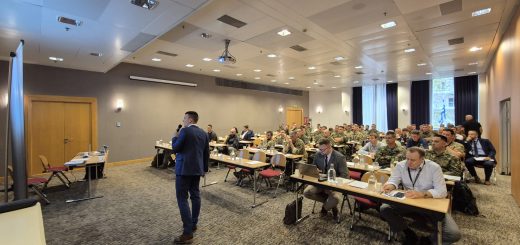
The Mine Action Centre of the Republic of Serbia was invited by the organizers, the NATO Explosive Ordnance Disposal Centre of Excellence (NATO EOD COE), headquartered in Bratislava, to participate in the 11th Explosive Ordnance Disposal Workshop 2026, held from 19–20 May 2026 in Šamorín, Slovak Republic.
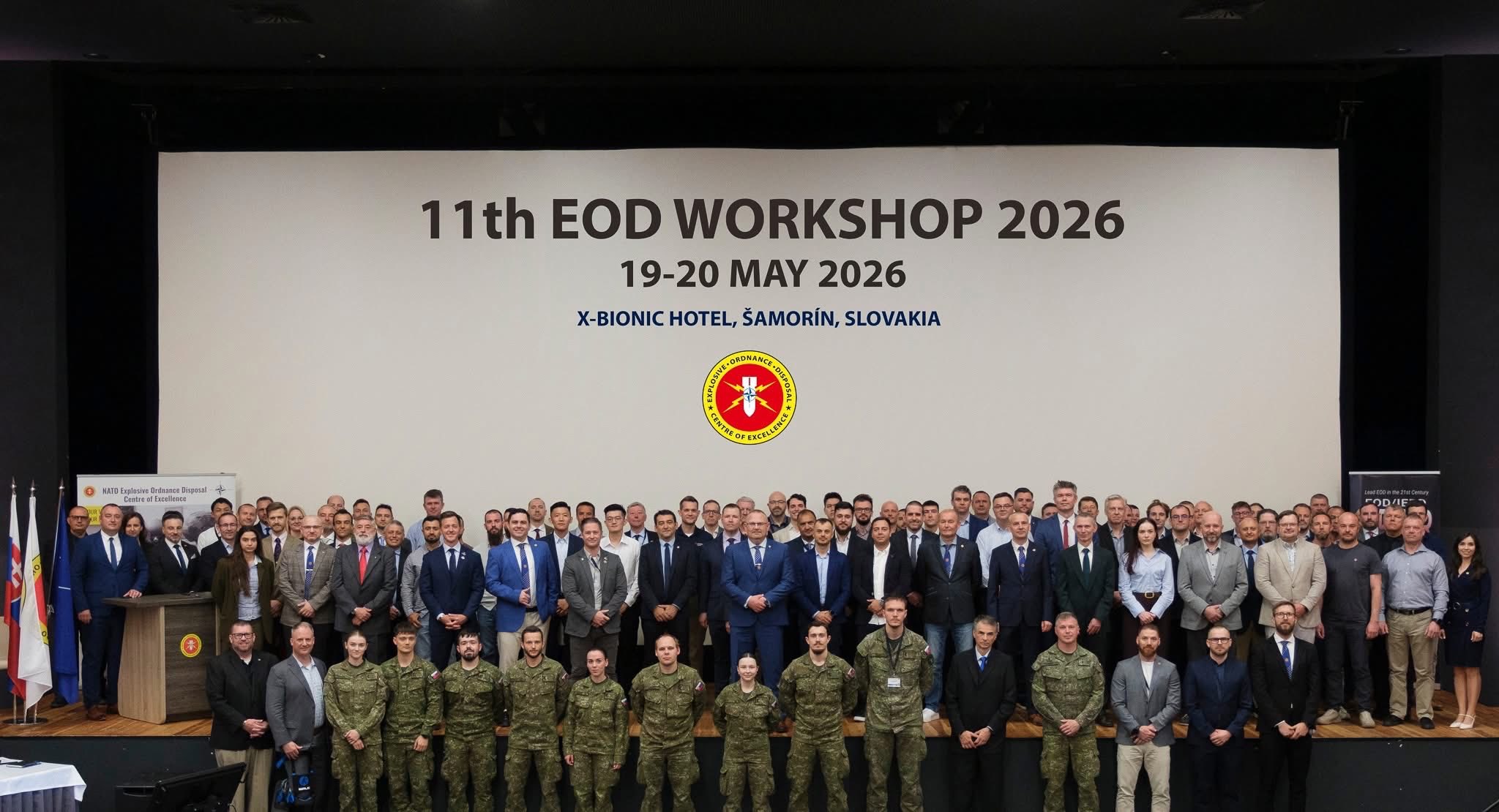
The theme of this year’s workshop was “Enhancing EOD Capabilities through Unity and Innovation”, with a particular focus on the exchange of operational experience, the identification of challenges in the contemporary security environment, and the strengthening of cooperation with partner institutions in responding to increasingly complex threats posed by explosive ordnance.
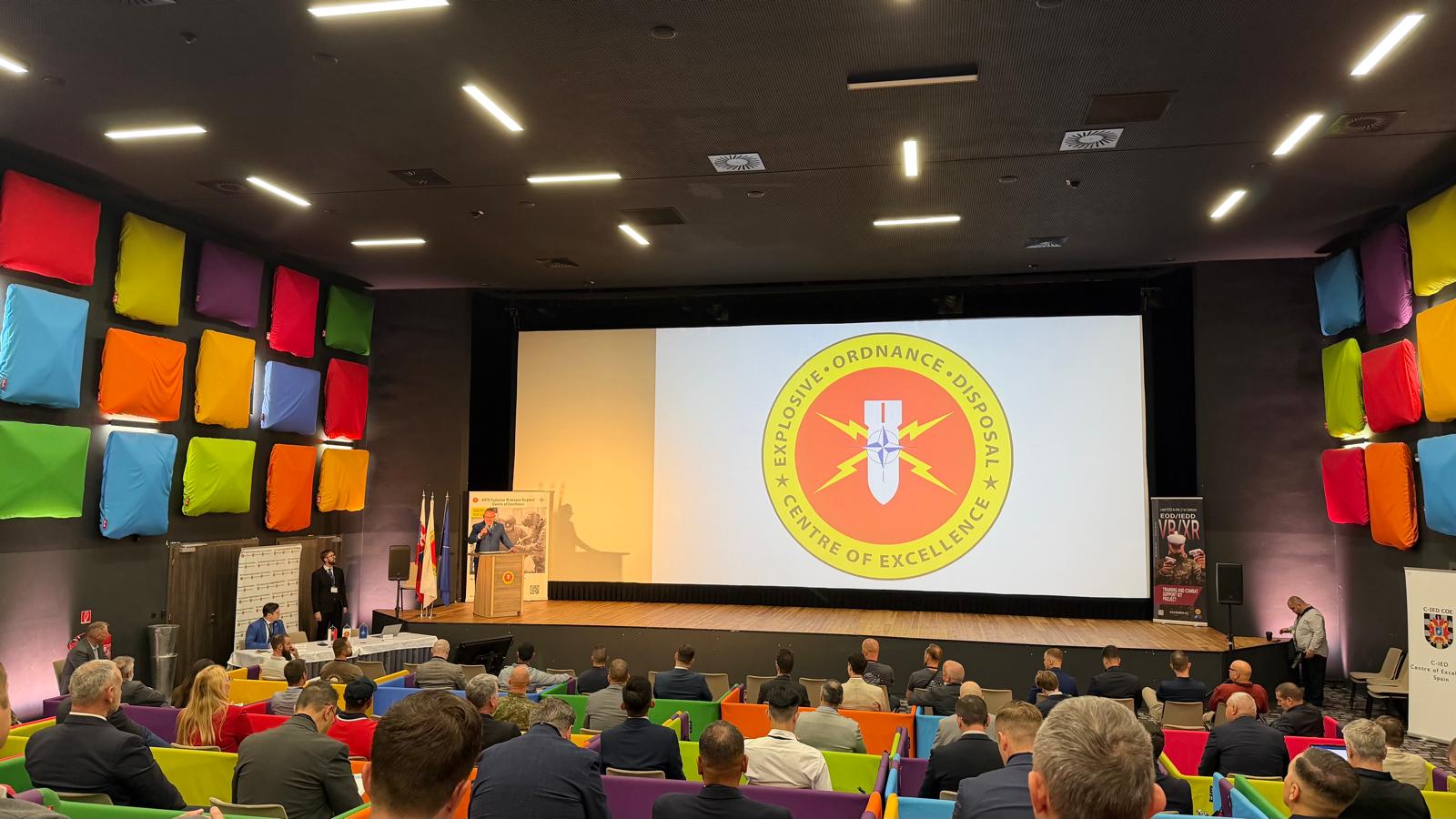
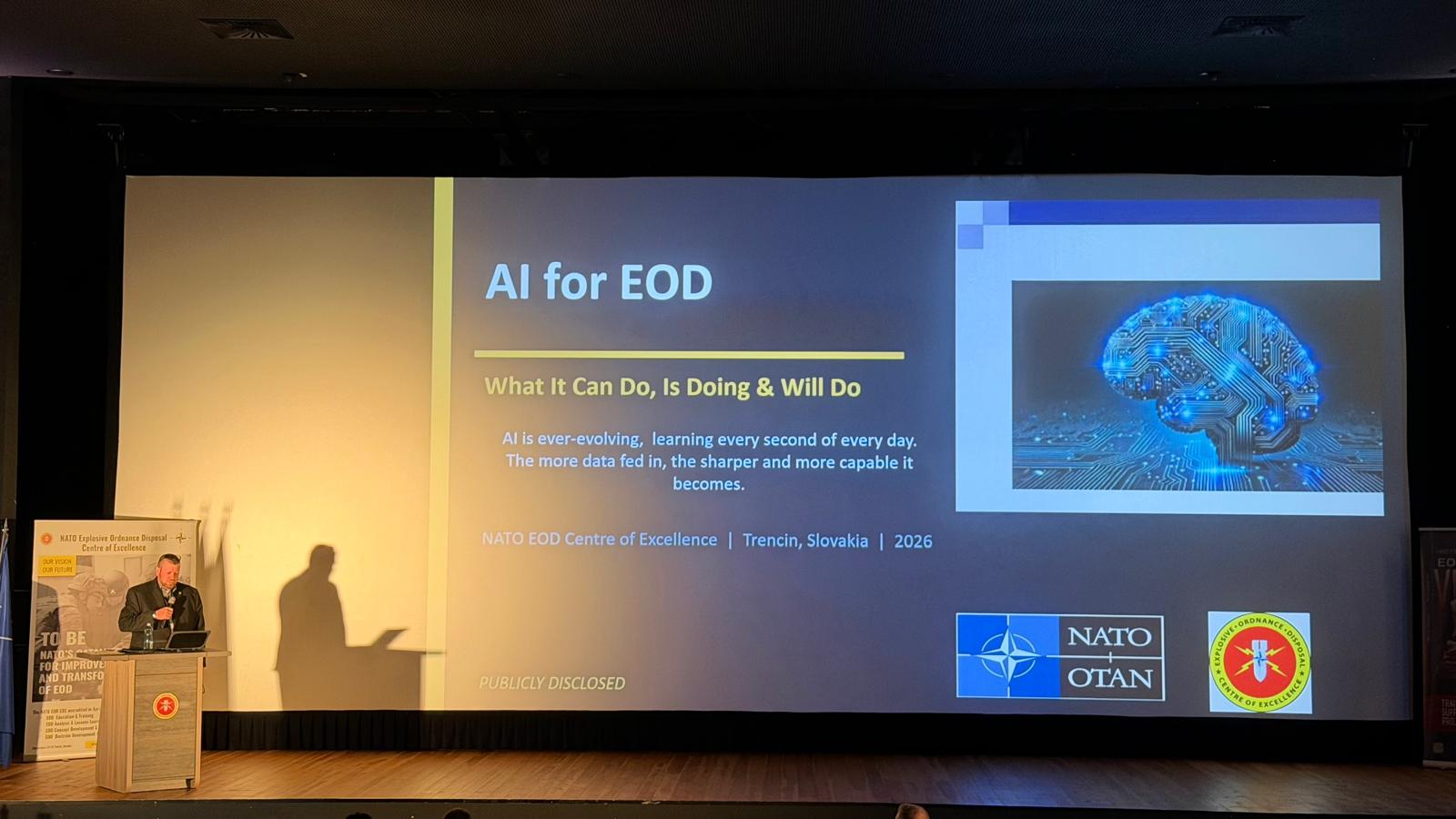
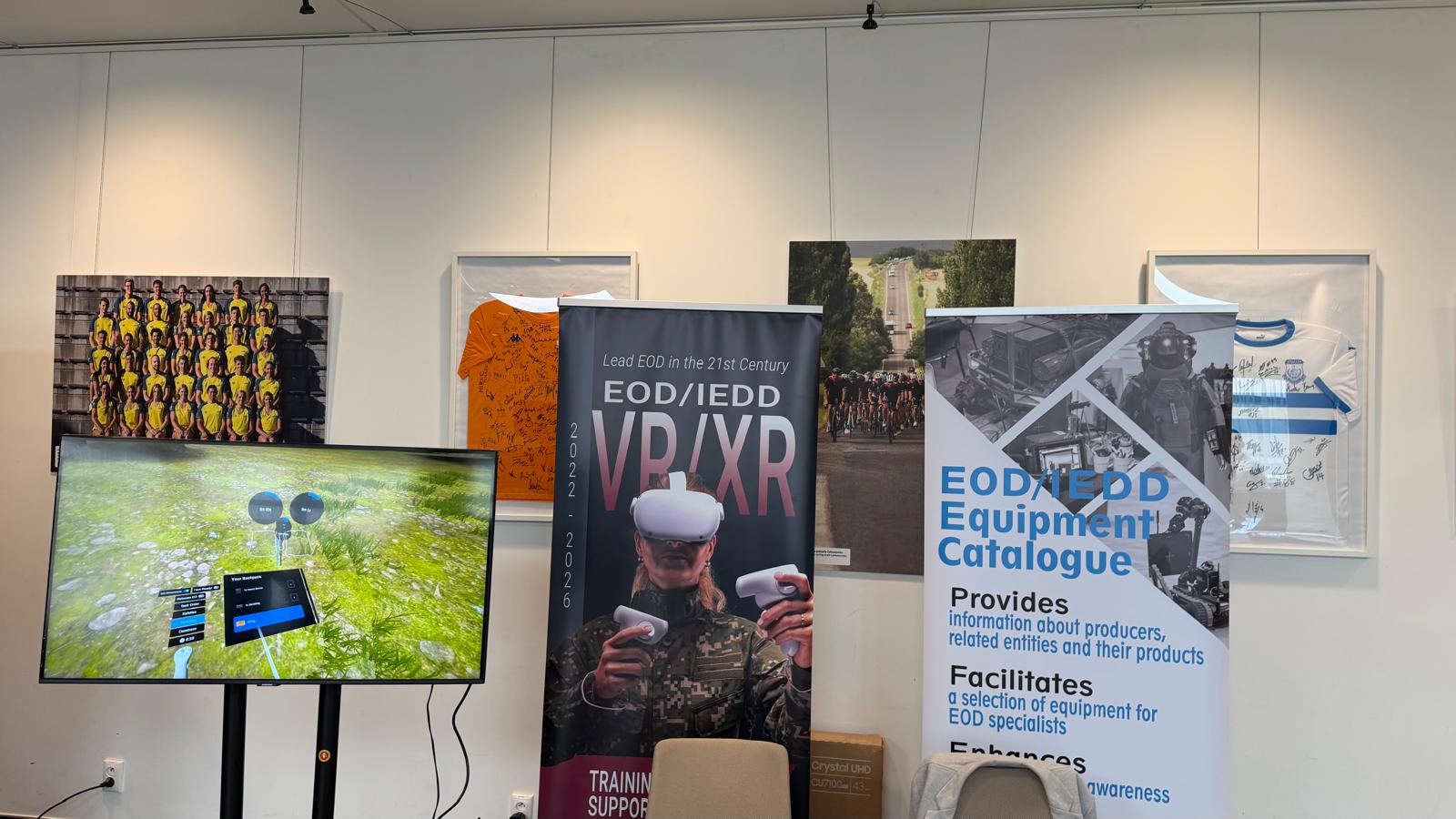
The workshop covered four thematic areas: the comprehensive employment of EOD capabilities across different operational domains and phases of conflict; the adaptation of EOD activities in field environments through the use of modern command, control, and communication systems; the application of advanced and emerging technologies, including artificial intelligence, autonomous systems, and digital platforms; and the enhancement of partnerships and interoperability through cooperation with relevant institutions and organizations within NATO and partner frameworks.
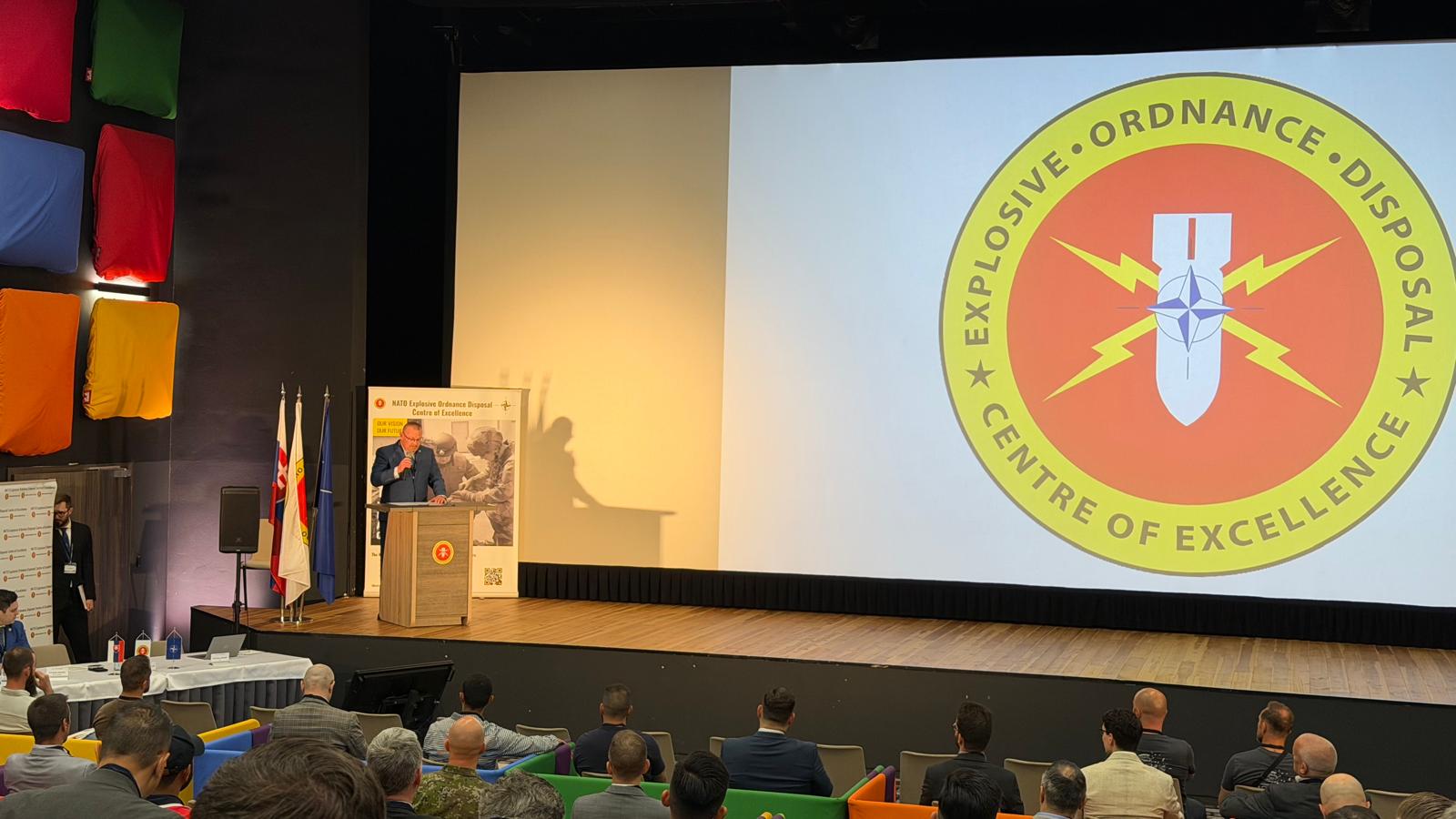
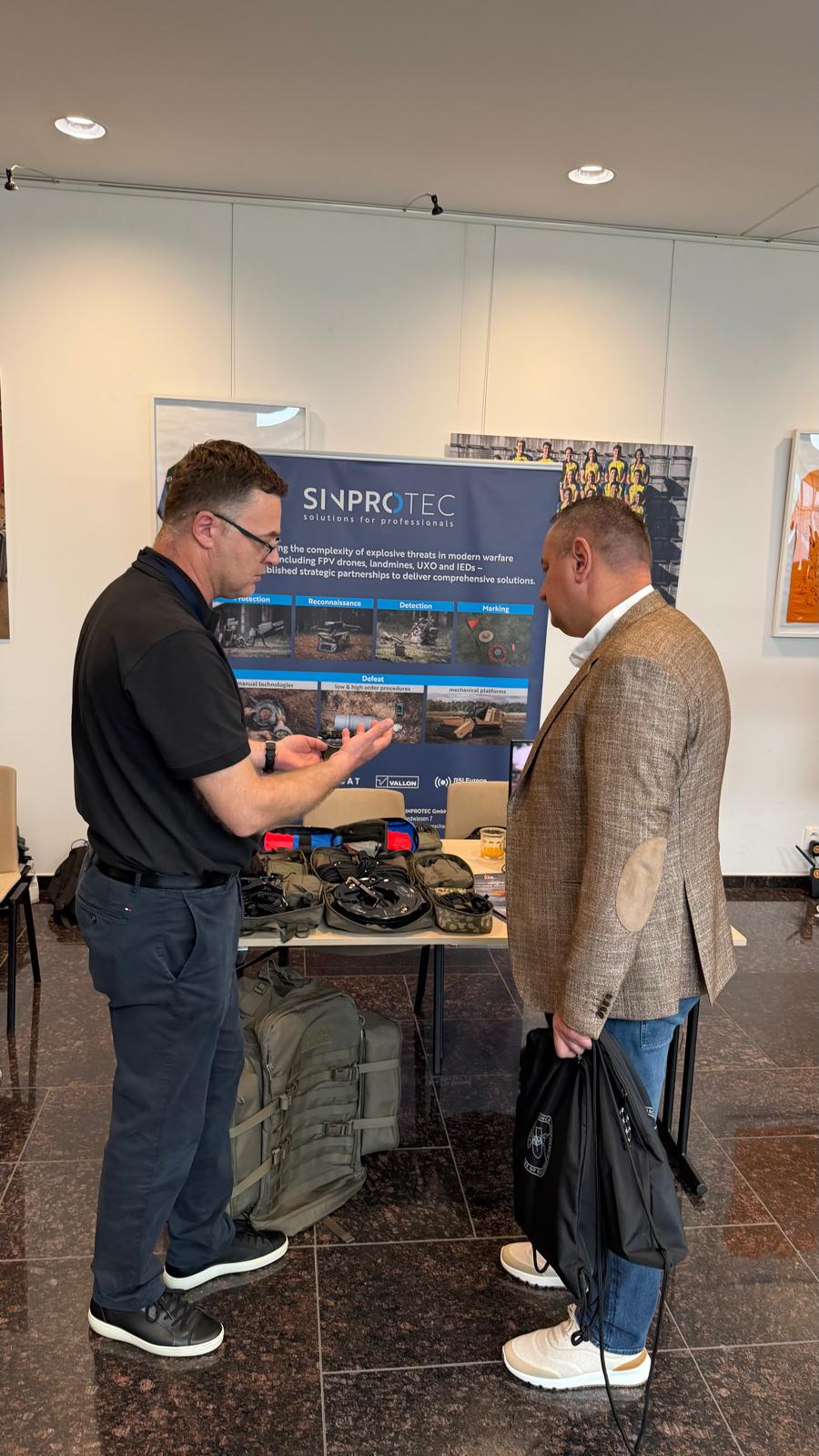
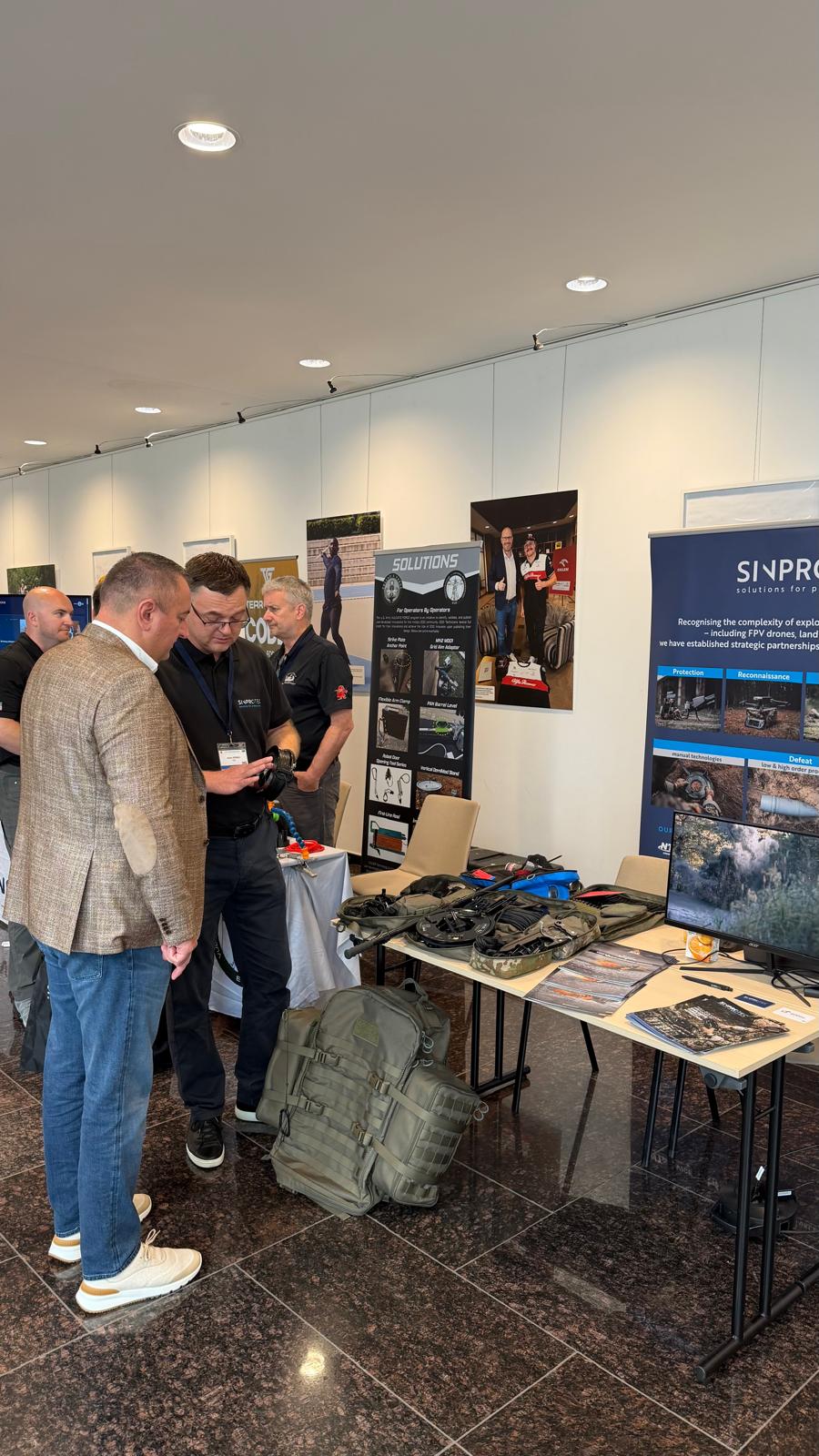
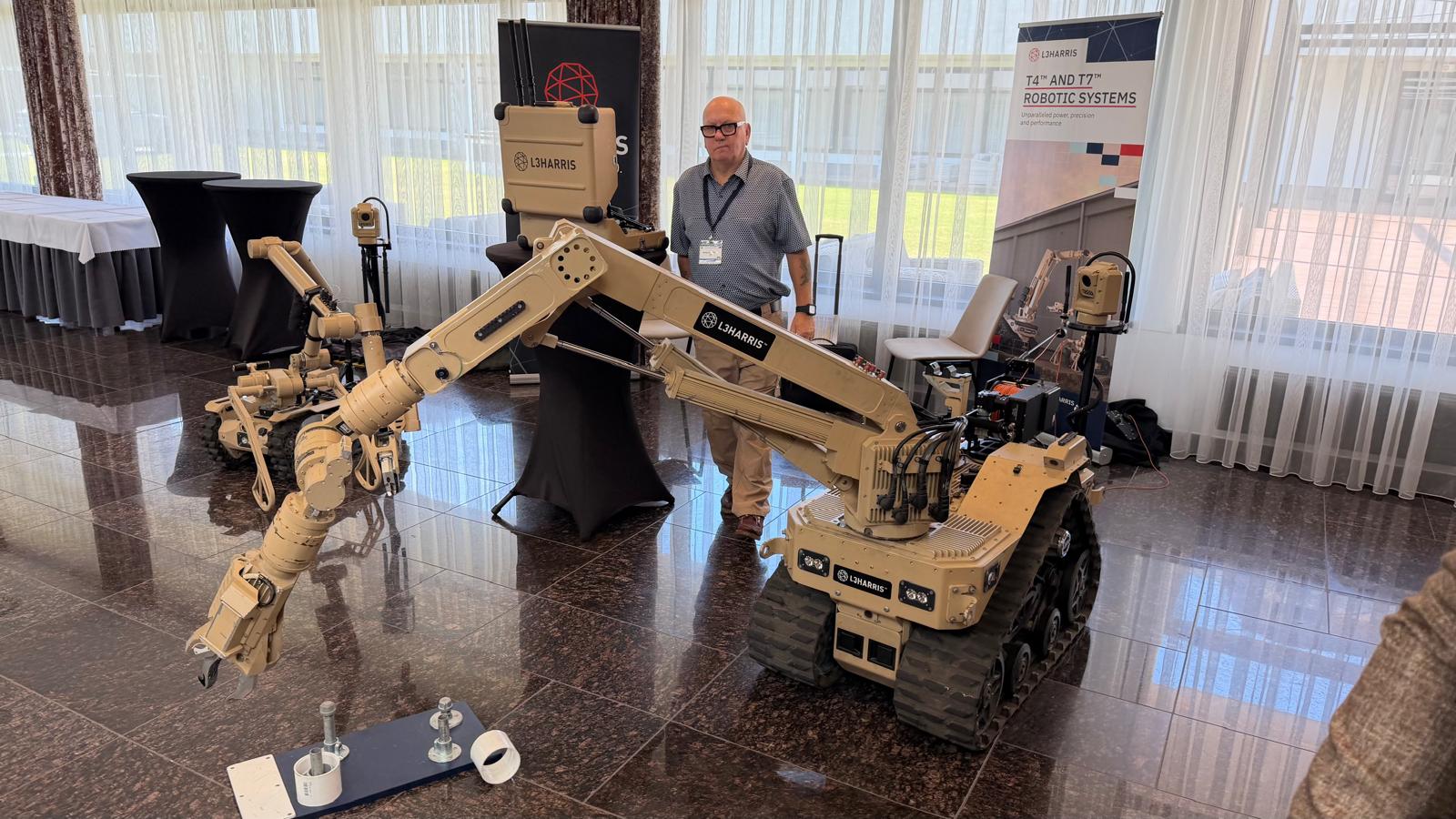
Particular significance of the workshop was reflected in its professional and forward-looking approach, which included discussions on future directions for the development of EOD capabilities, including the integration of innovative technological solutions and the development of common standards and procedures.
The workshop provided an important opportunity to strengthen professional capacities through the direct exchange of experience with representatives of NATO member and partner countries, as well as leading experts in the fields of Explosive Ordnance Disposal (EOD), Counter-Improvised Explosive Devices (C-IED), Chemical, Biological, Radiological and Nuclear (CBRN) defence, and military engineering. Such exchanges of knowledge contribute to the enhancement of national procedures and their alignment with contemporary international standards.