Controlled Demolition of a Depth Charge on the Bank of the Danube River (The renowned German “Wasserbombe”)
Members of the Emergency Management Sector of the Ministry of Interior of the Republic of Serbia successfully conducted an action on the Danube River near Prahovo involving the recovery, transportation, and controlled destruction of a depth charge discovered aboard the sunken vessel T-20.
The action was carried out in cooperation with members from the Serbian Mine Action Center (SMAC) and the project contractor as part of the Explosive Remnants of War (ERW) Protection Project During Removal of 21 Sunken Vessels in the Danube River near Prahovo. The project documentation was developed by the Serbian Mine Action Center.
This complex and high-risk task represents another successful example of inter-institutional cooperation and a professional approach to addressing ERW of the Second World War, which continue to remain in depths of the Danube to this day.
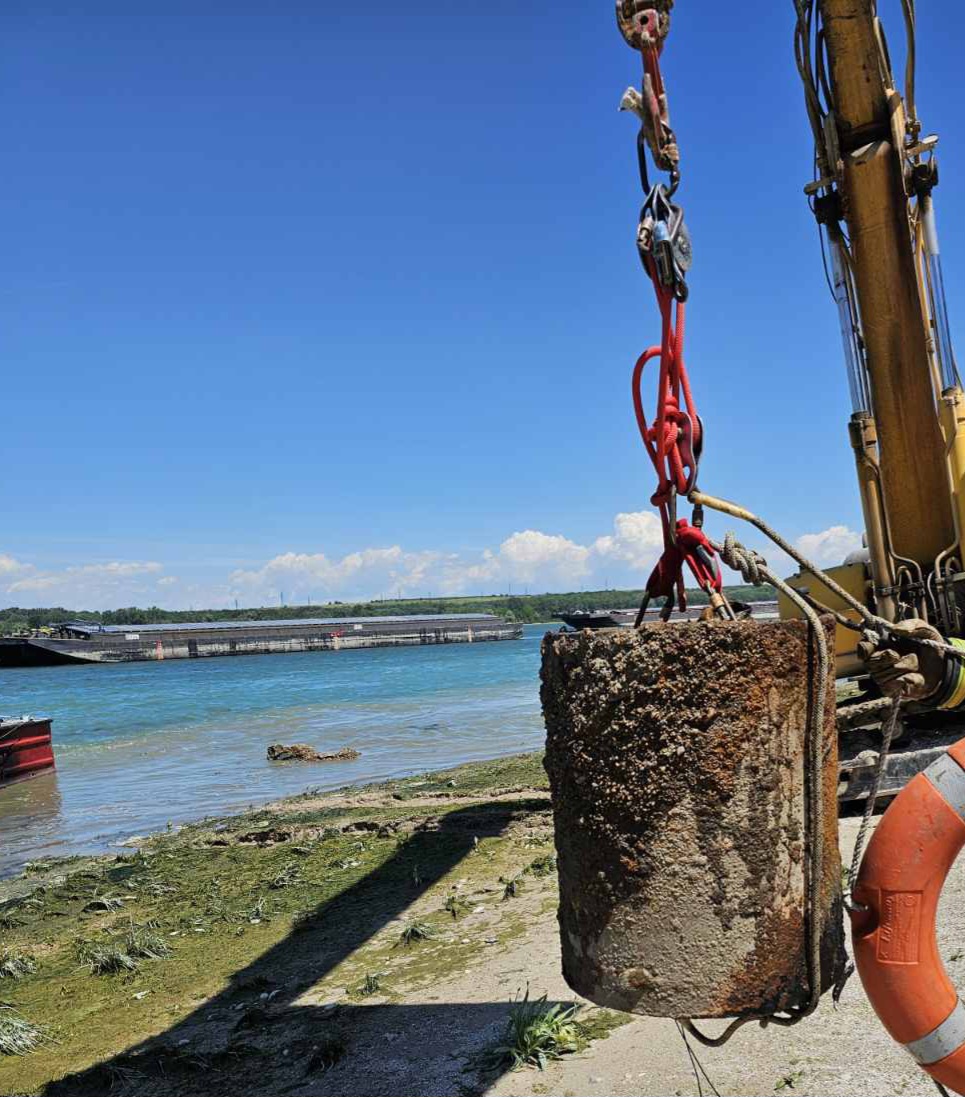
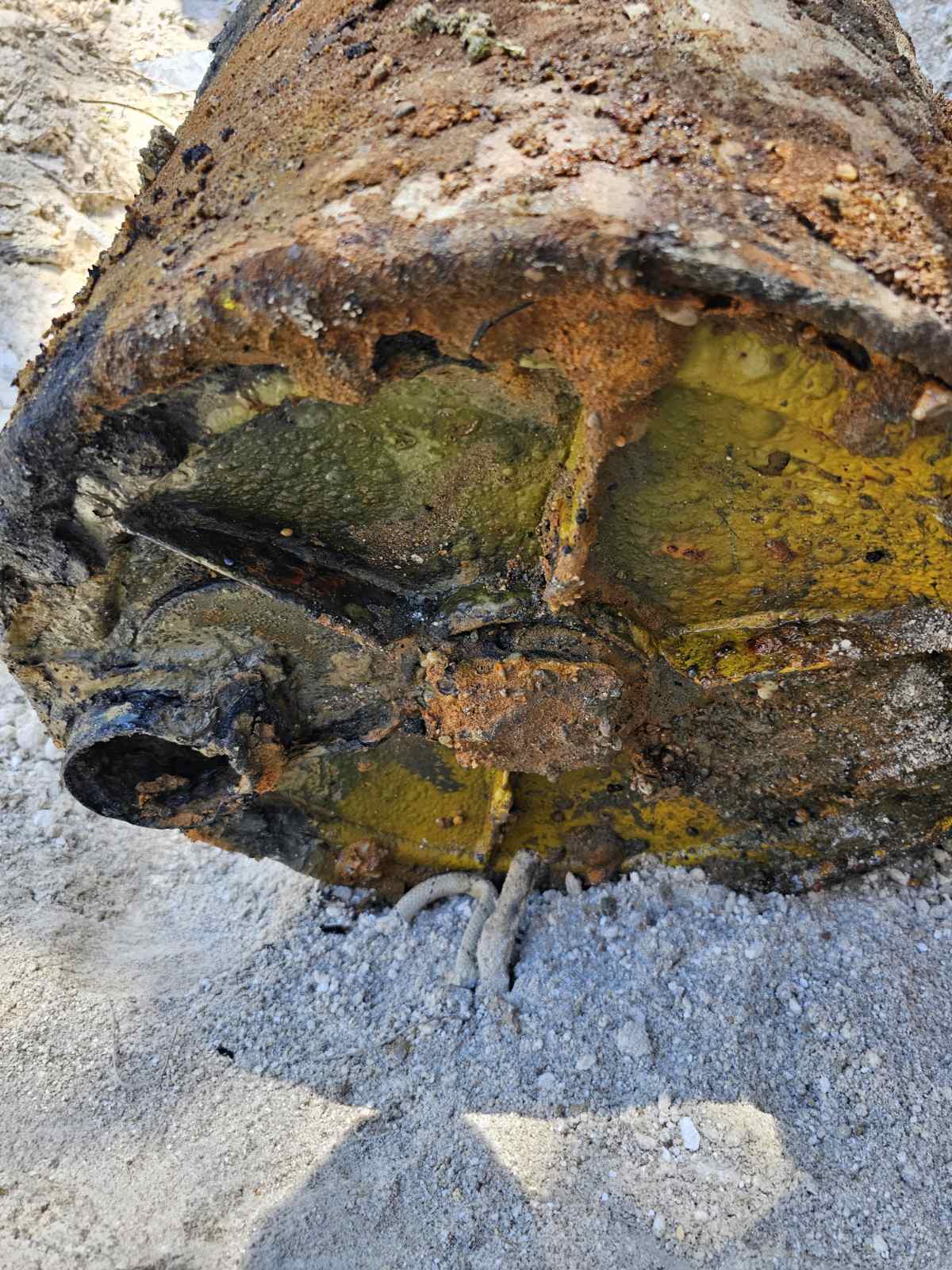
Depth charges, also known by the German designation Wasserbombe (WB), were among the primary anti-submarine warfare (ASW) weapons employed during both World Wars. Their purpose was to destroy submarines through the hydrodynamic shock wave generated by an underwater detonation.
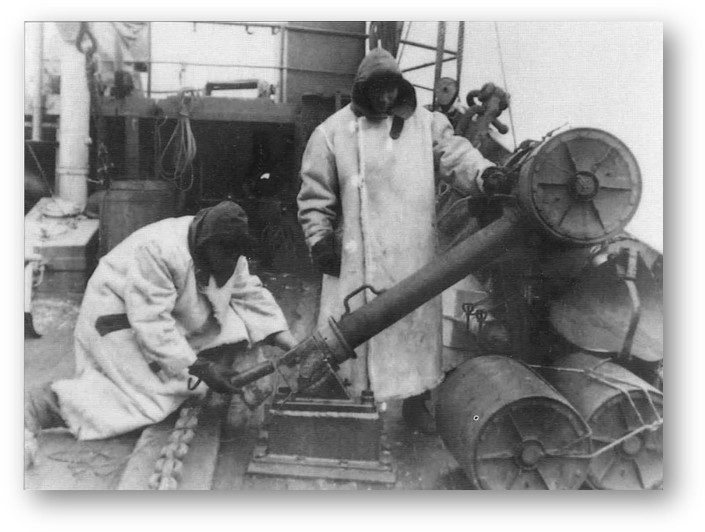
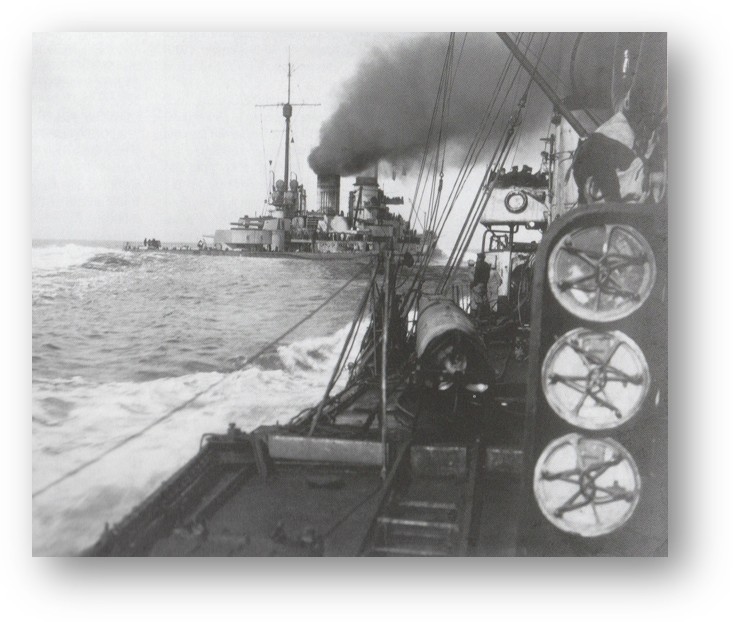
Due to the incompressibility of water, the energy released by an underwater explosion is transmitted with significant speed and force to the target. The destructive effect depends on several factors, including the quantity of explosive material, the distance from the target, and the structural characteristics of the affected object.
Depth charges were launched from ships or aircraft and were designed to explode at a predetermined depth.
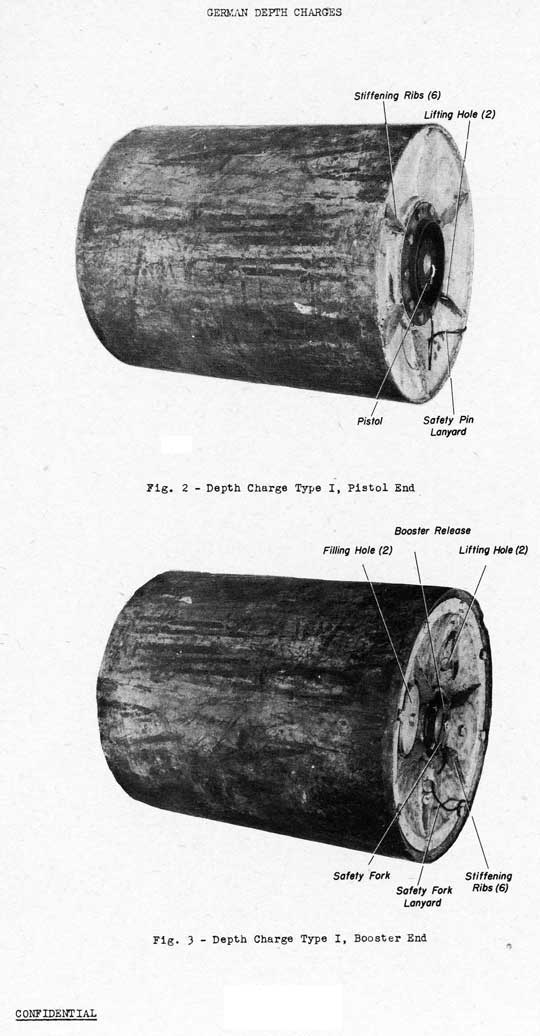
A depth charge consists of three primary components: a mechanical fuze (detonator), a booster charge, and a main explosive charge containing approximately 125 kilograms of high explosive.
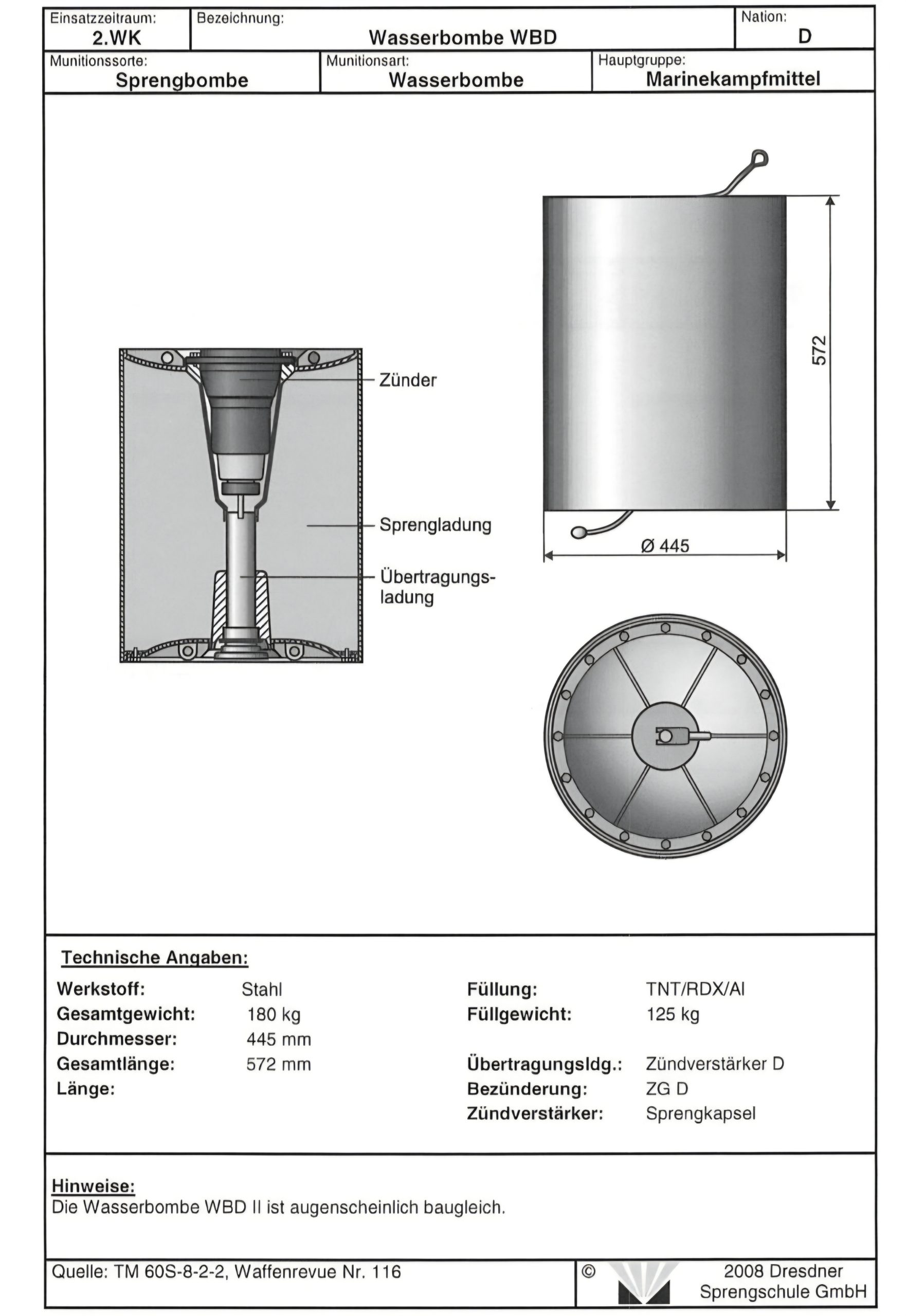
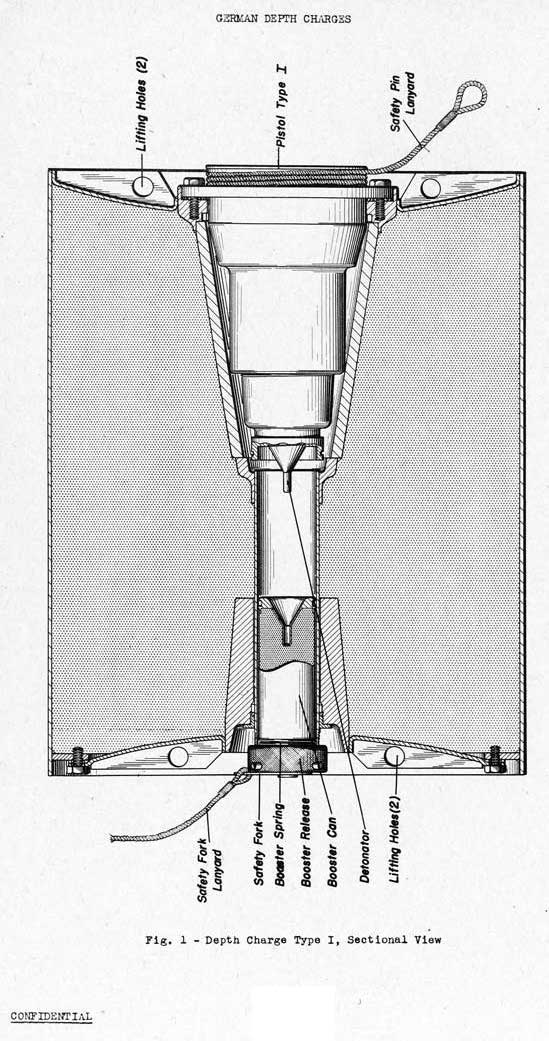
Following water entry, hydrostatic pressure increases with depth. Once the preset pressure threshold corresponding to the selected detonation depth is reached, the fuze mechanism releases a firing pin, initiating the detonator. The detonator subsequently initiates the booster charge, which in turn detonates the main explosive filling, resulting in the underwater explosion.
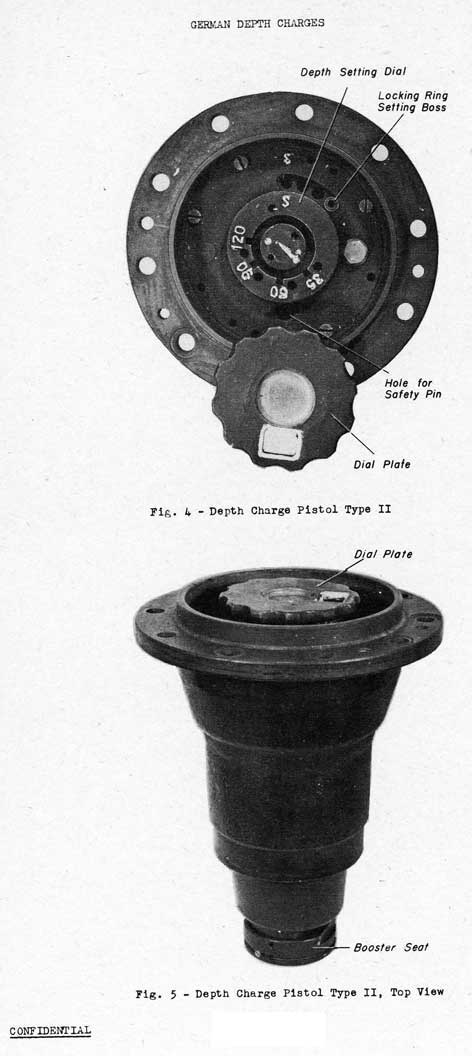
For domestic EOD specialists, this particular type of ERW presented a unique challenge.
Only a limited number of countries have encountered this problem, and previous experience with such submarine weapons is almost non-existent, which is why it was necessary to study in detail the operating principle, activation method and safety procedures.
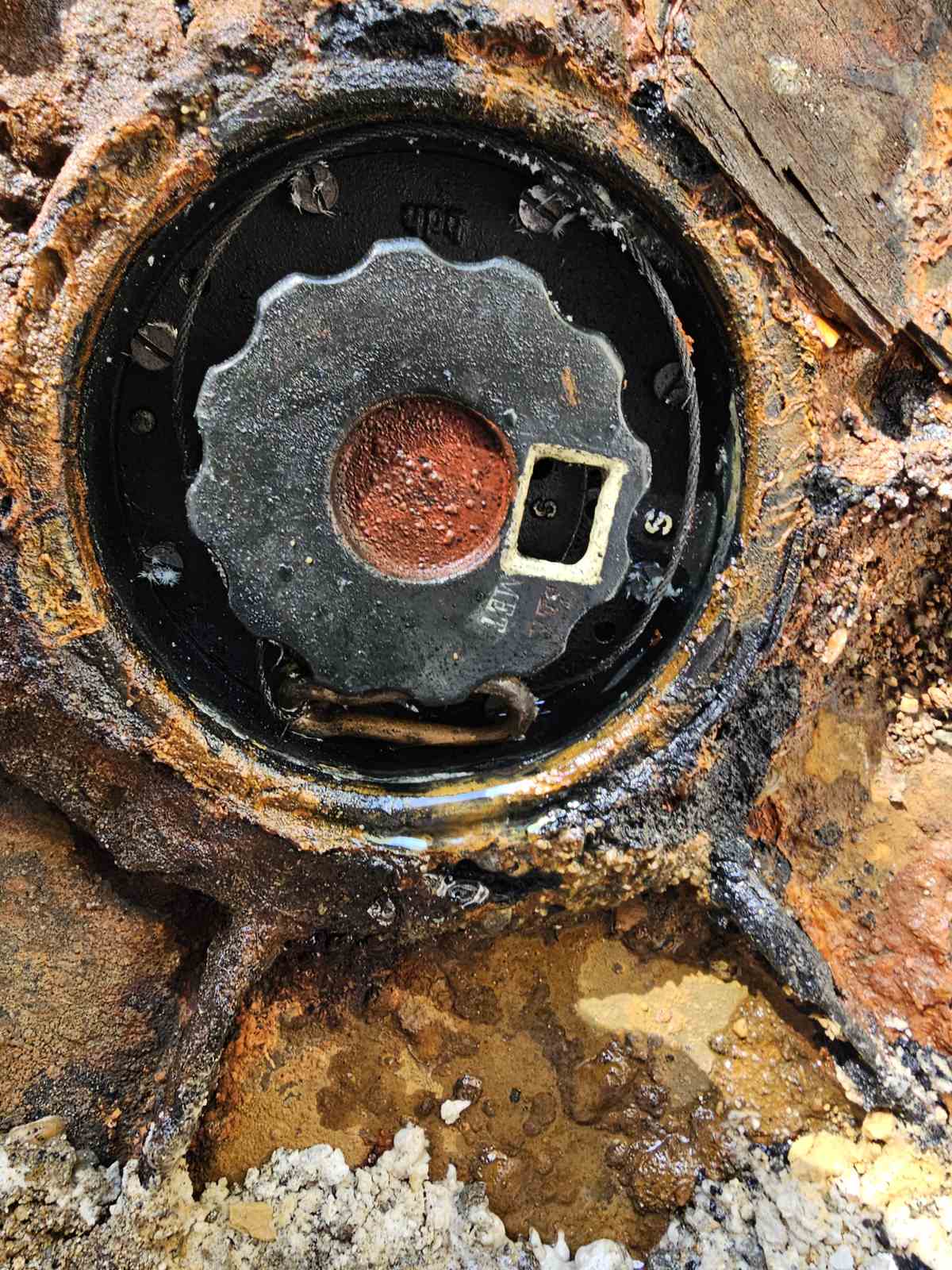
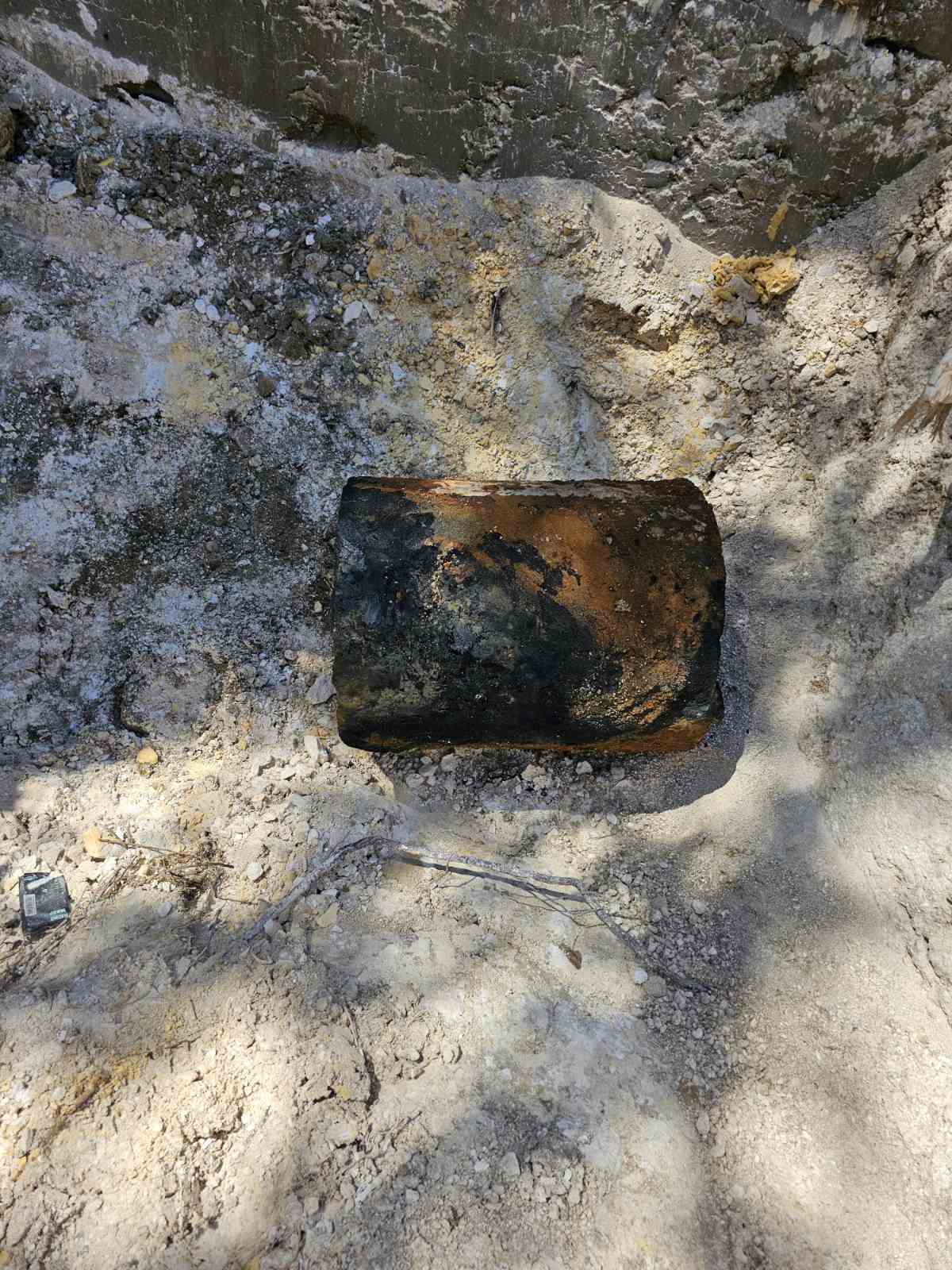
Before the action began, available technical documentation, manuals and professional literature were collected and analyzed in order to determine the condition of the bomb, identify potential hazards during handling and what activities were safe to undertake.
The action involved the participation of the Border Police, the Harbour Master’s Office, and the Directorate for Inland Waterways “Plovput”. River traffic was temporarily suspended, and navigation along this section of the Danube was halted for several hours.
Simultaneously, in order to minimize the risk, all safety measures stipulated in the execution plan prepared by the contractor and approved by the Serbian Mine Action Center, were fully implemented.
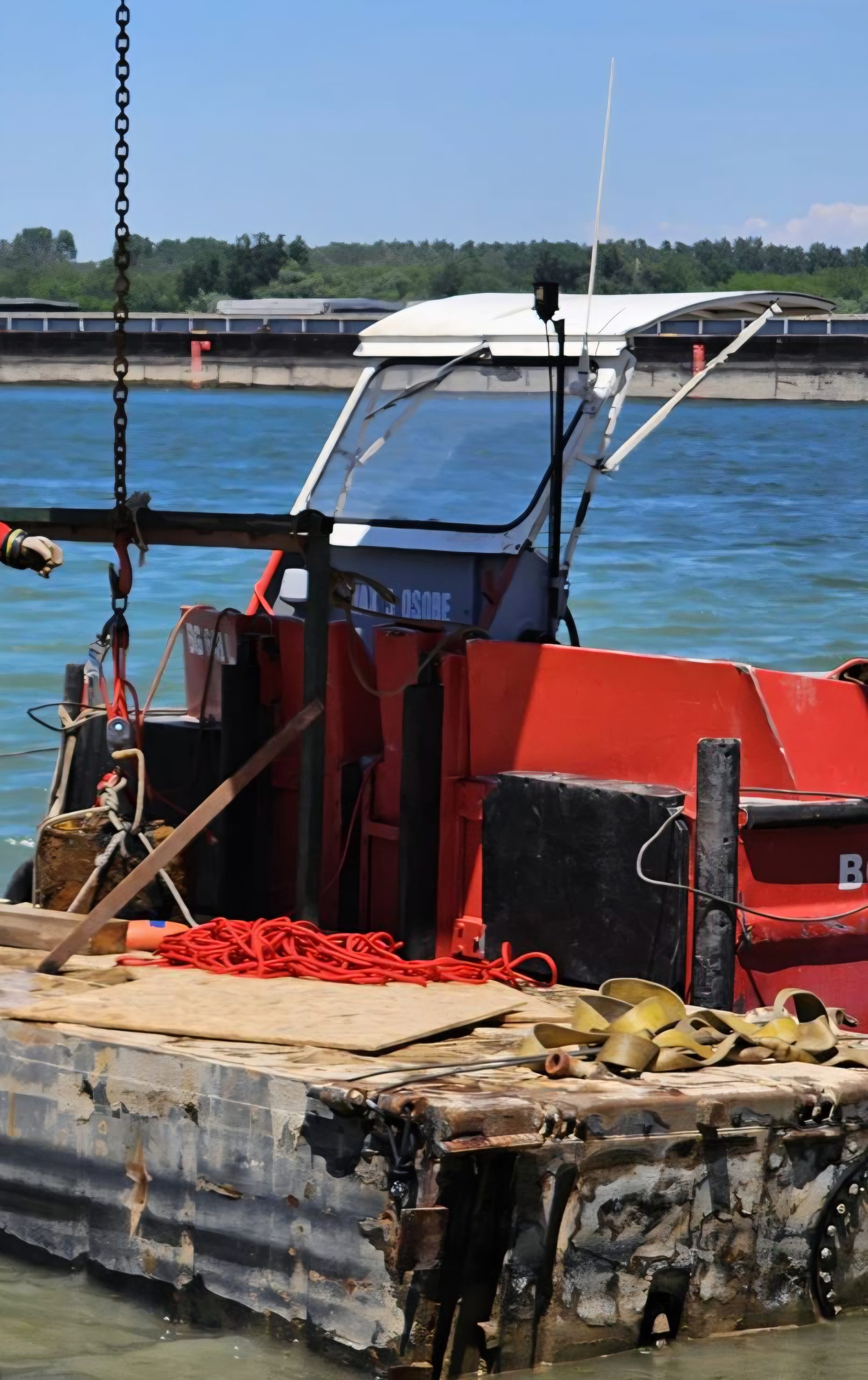
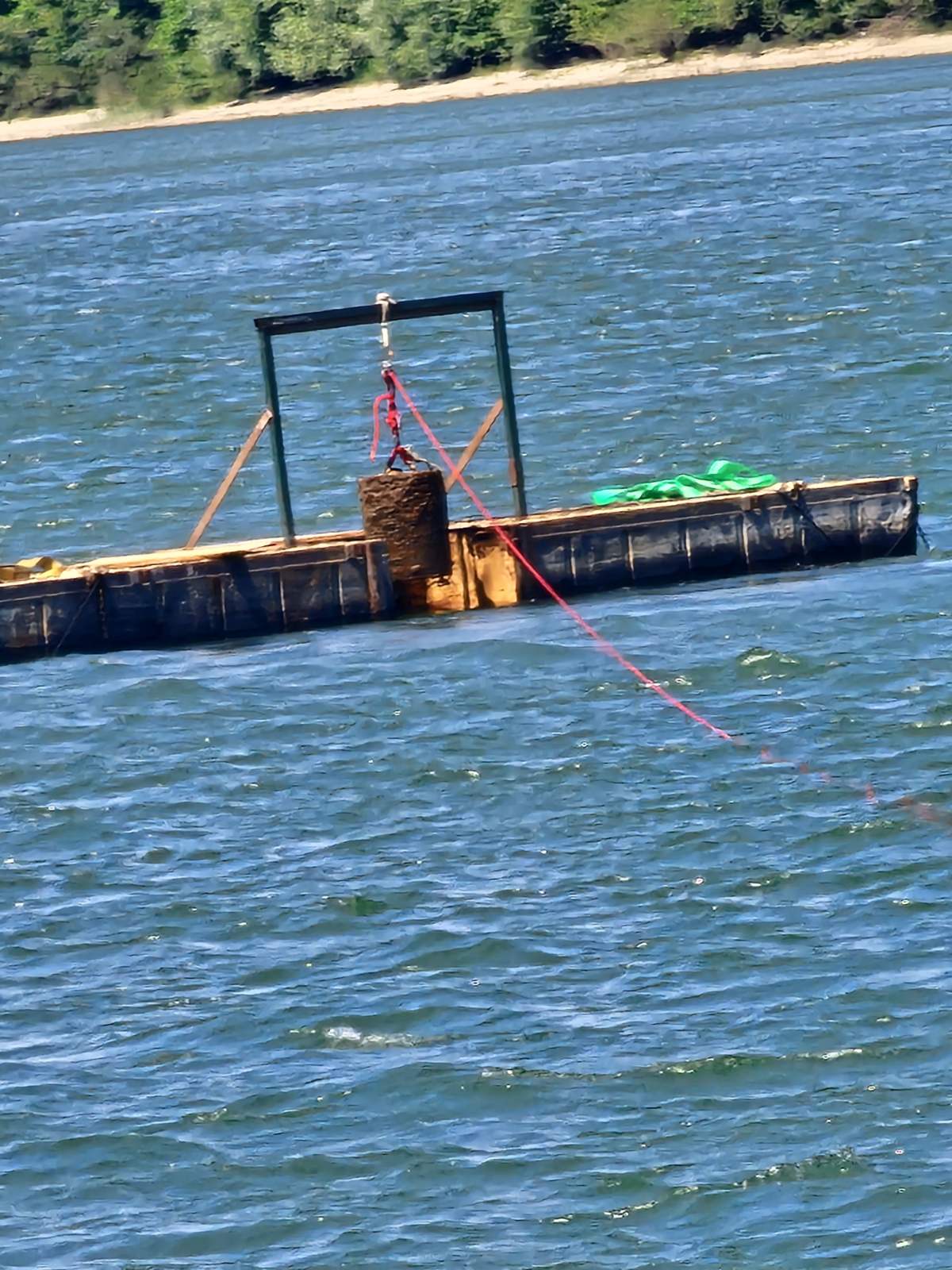
When deciding on the method of destroying the ERW, expert teams, after a detailed technical analysis and safety assessment, decided to conducted the destruction action on land.
Guided by the precautionary principle and the imperative of environmental protection, priority was given to preserving the underwater ecosystem and biodiversity of the Danube River.
Personnel of the Emergency Management Sector of the Ministry of Interior of the Republic of Serbia successfully neutralized and destroyed the renowned German depth charge through a controlled demolition, applying all prescribed safety and protective measures throughout the action.